Reframing design history through the women who shaped it

UX/UI Web responsive design
Project
Design{h}ers
devices
Web Responsive
Role
UX/UI designer
Category
Design
Feminism
CHALLENGE
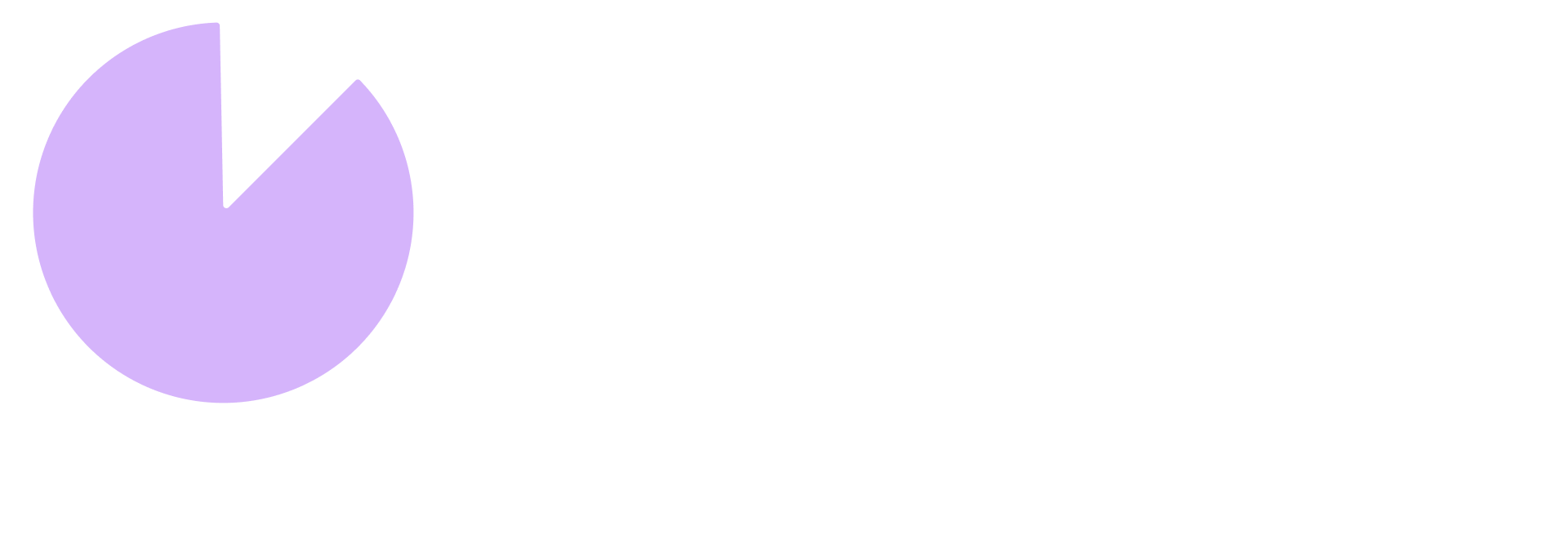
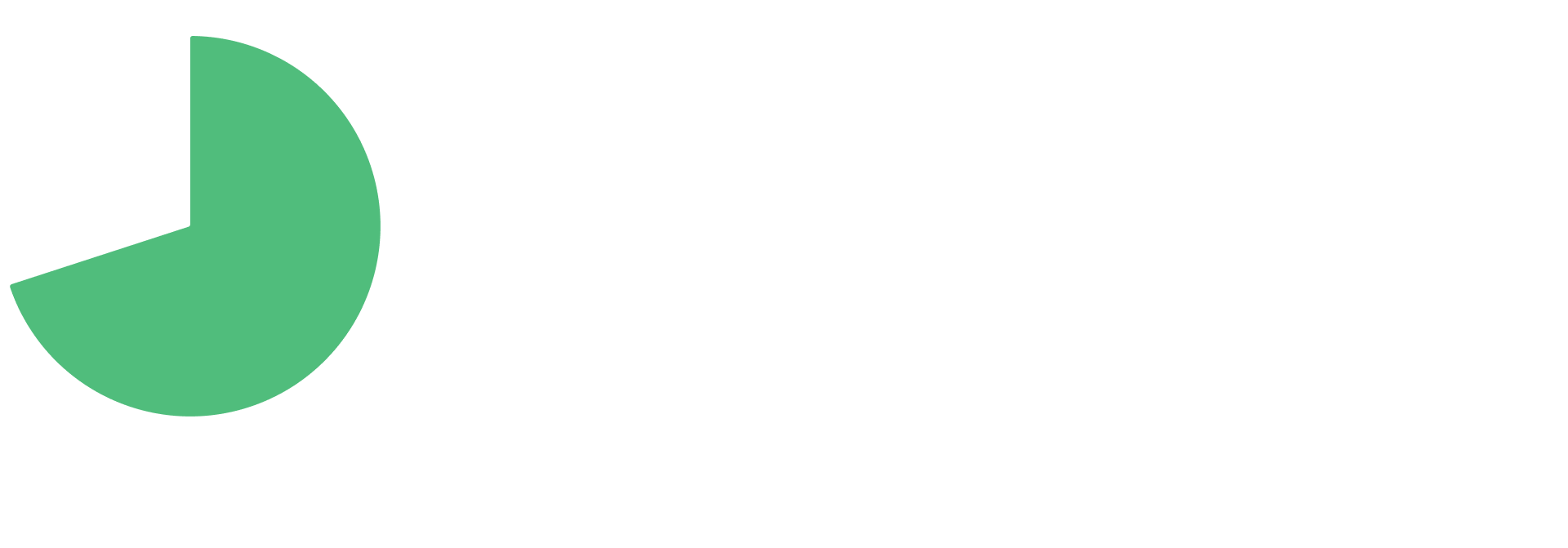
Women have played a crucial role in shaping graphic design since the beginning of the discipline, yet their names and stories remain largely invisible. Their work is widely recognised, but their names don’t come up in design class. Despite being present in every major period of design, women rarely appear in textbooks, lectures, or academic programs. This creates a distorted perception that design history is primarily male-drive, a narrative reinforced by the fact that female students now make up the majority in design schools (70%), while leadership roles and historical recognition remain dominated by men (89% of creative directors are male).
The lack of visible female role models, combined with cultural and educational bias, continues to shape how new generations perceive the industry.
research
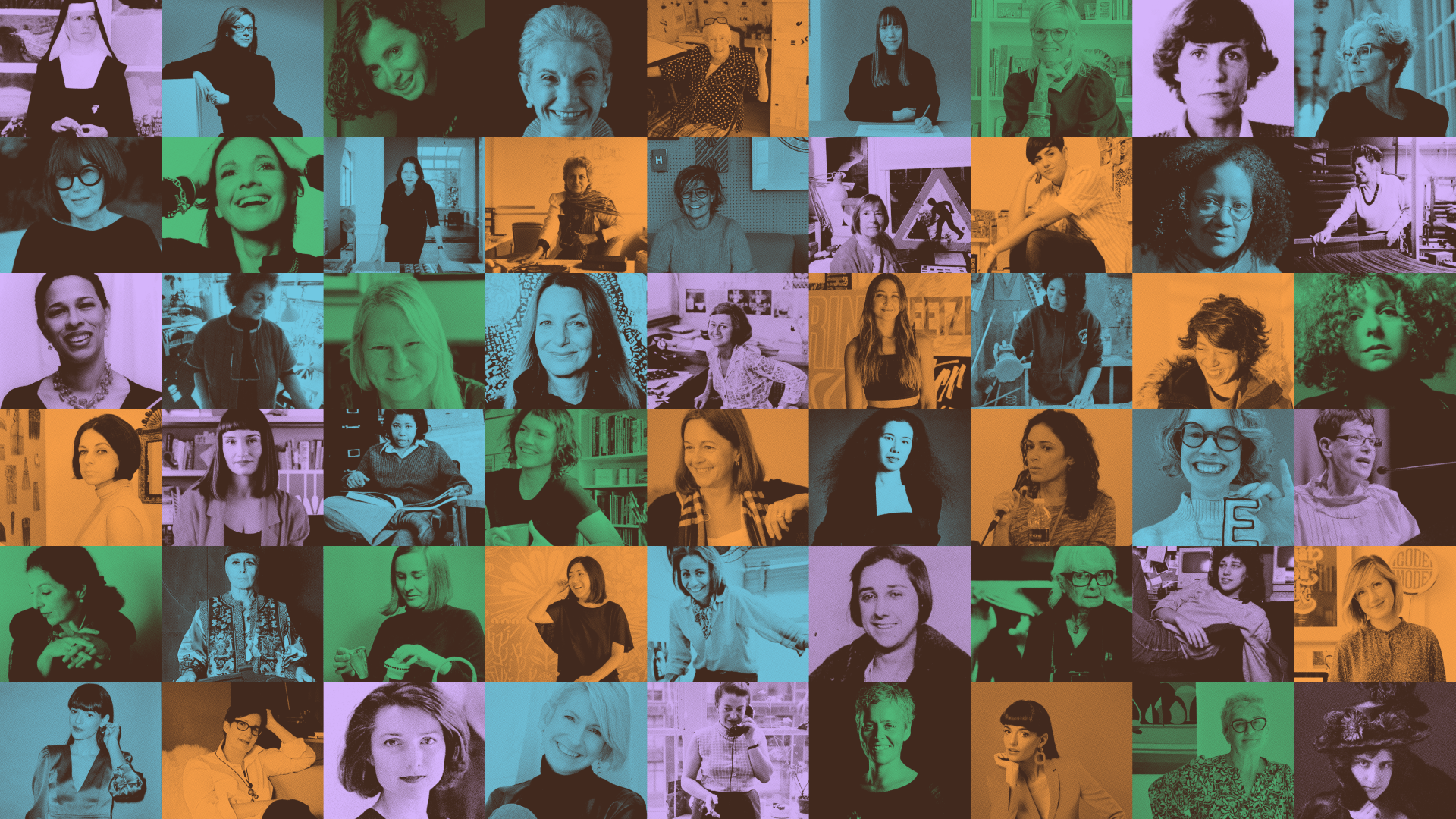
Students overwhelmingly rely on educational material that excludes female contributions, which leads them to associate “great design” with male designers. Many assume women were not active in early graphic design, despite the fact that they authored many iconic works.
This disconnect between the visibility of the work and the invisibility of the women behind it revealed a powerful opportunity: to create an accessible platform that educates, reattributes authorship, and celebrates the full careers of female designers across history. Users needed a space that highlights their influence in a meaningful, engaging, and contemporary way.
KEy goals
Reframe design history through visibility
Highlight female designers excluded from mainstream narratives and give proper attribution to their work.
Connect past and present
Showcase historical pioneers alongside contemporary designers shaping the industry today.
Inspire future designers
Provide relatable role models for female design students entering a field where leadership remains male-dominated.
results
Interactive design history timeline
A chronological, movement-based timeline allows users to explore iconic works, discover their female authors, and learn about each designer’s career, impact, and visual legacy.
Community-building events
An events section features talks, workshops, and conferences led by female designers, creating visibility, connection, and opportunities for inspiration.
Featured Designer of the Month
A curated monthly profile highlights contemporary designers, offering deeper educational value and supporting visibility by showcasing their work.
A celebratory visual identity
The identity embraces a vibrant, celebratory palette, with purple as the main color as it symbolises gender inequality. The logotype merges Monument Grotesk and Romie (both designed by women) representing the union of past and present. The bracketed {H} represents the historically hidden role of women in design.
Conclusion
DESIGN{H}ERS creates a space that restores visibility to the women who shaped, and continue to shape, graphic design. The project increased awareness among students, helping them recognise female designers and attribute their work correctly. The biggest insight was understanding how deeply historical bias influences perception, and how crucial storytelling is in correcting that narrative.
Through iteration, the project evolved from simply showcasing works to honouring full careers, expanding from past figures to active contemporary designers. By bringing past pioneers and contemporary voices together, DESIGN{H}ERS helps fill the gaps left by traditional design history and reframes the narrative with accuracy and intention.