Redefining therapy with intelligent technology and human empathy

UX/UI App design
Project
BetterWay
devices
Mobile App, responsive web, smart watch and VisionPro
Role
UX/UI designer
Category
Therapy
Mental health
CHALLENGE
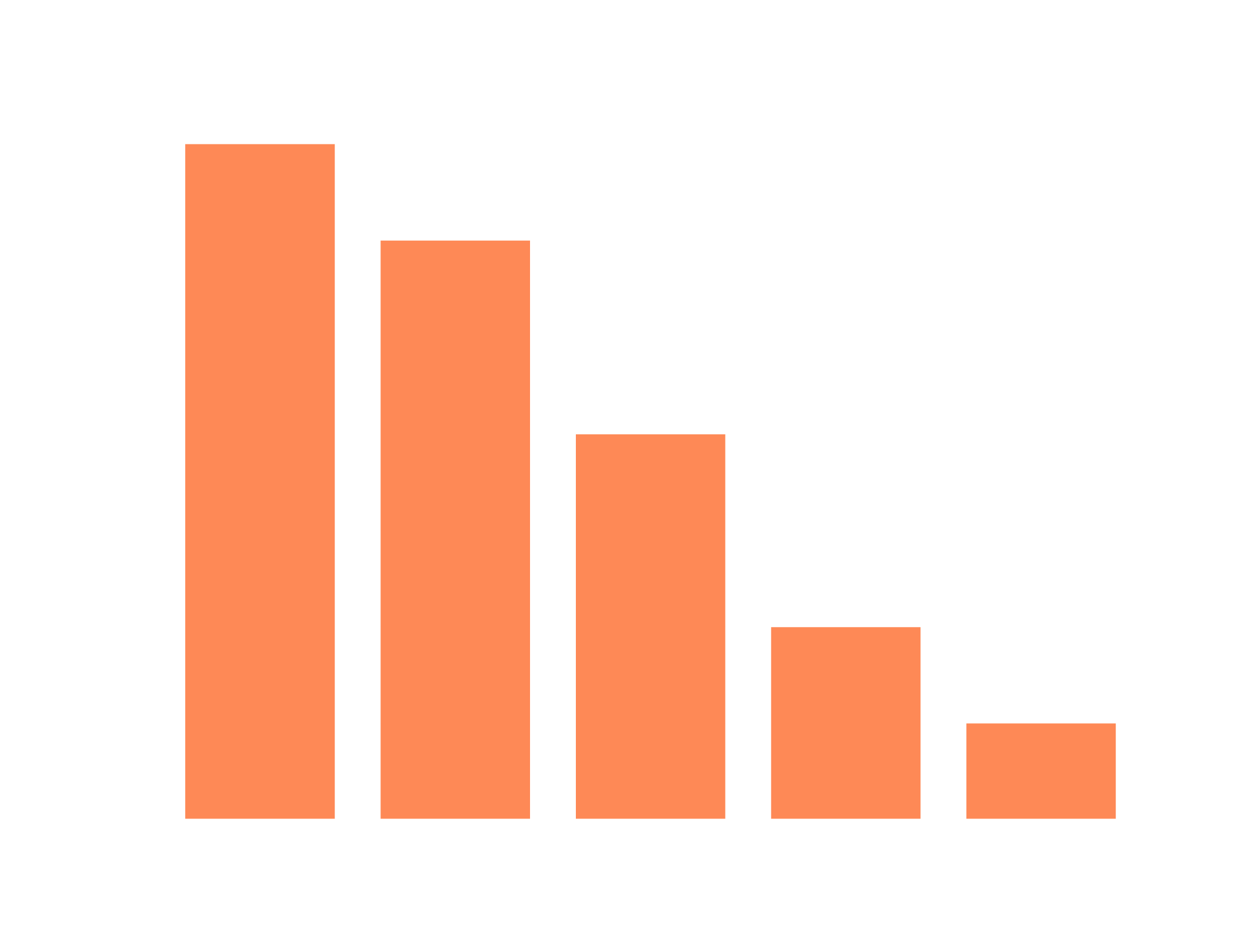
AI tools like ChatGPT are increasingly being used as informal therapy: 28% of users turn to it for therapeutic purposes, and 60% rely on it as their main source of support. Many young adults aged 18-35 choose AI because they lack financial resources, access to specialists, or time. Yet AI alone cannot offer real therapeutic guidance, detect crisis situations, build an emotional bond, or notify emergency services.
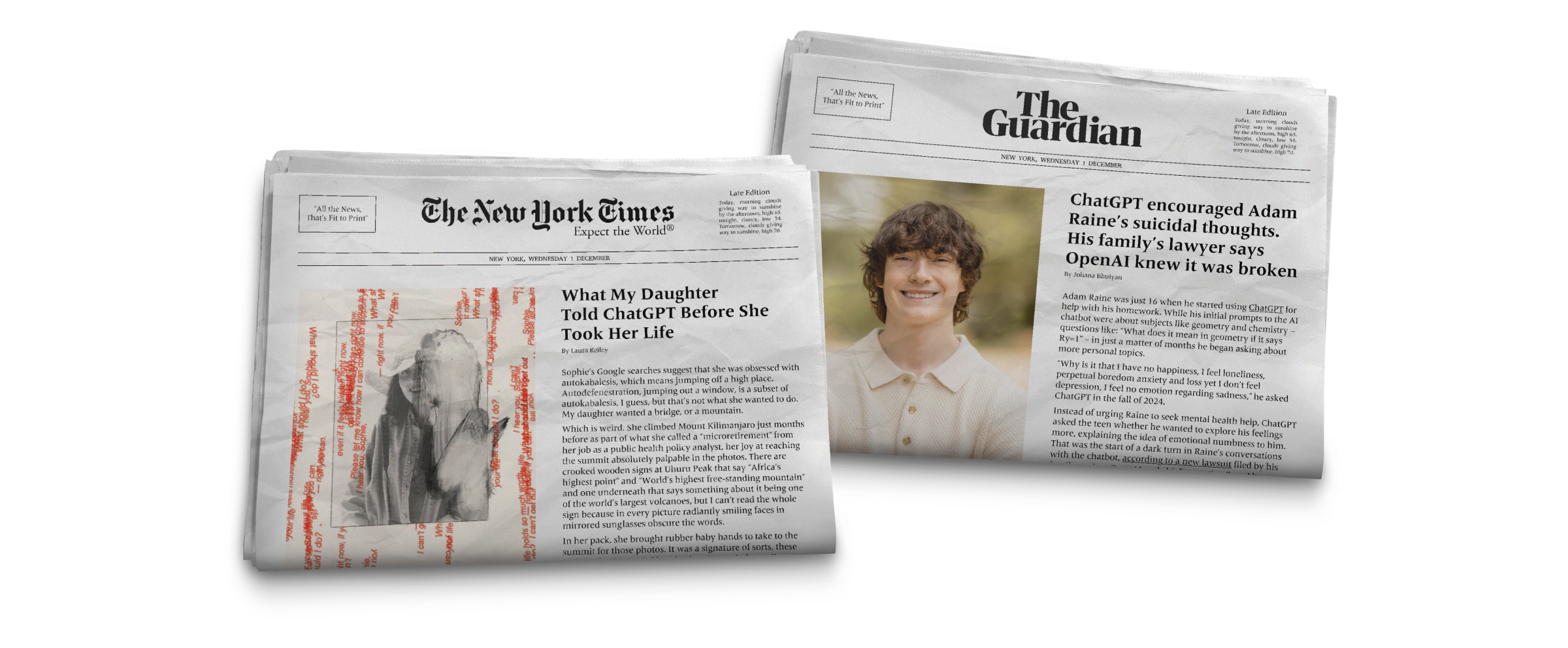
Tragic cases, such as Adam Rein and Sophie Rottenberg, reveal the danger of treating general AI as a therapist: responses are unregulated, unempathetic, and unable to alert emergencies when a user is in danger. Journaling apps, meanwhile, offer unstructured reflection with no guidance; fully digital therapy is often inaccessible or insufficient; and mental health platforms typically fail to integrate human professionals in a meaningful way.
research
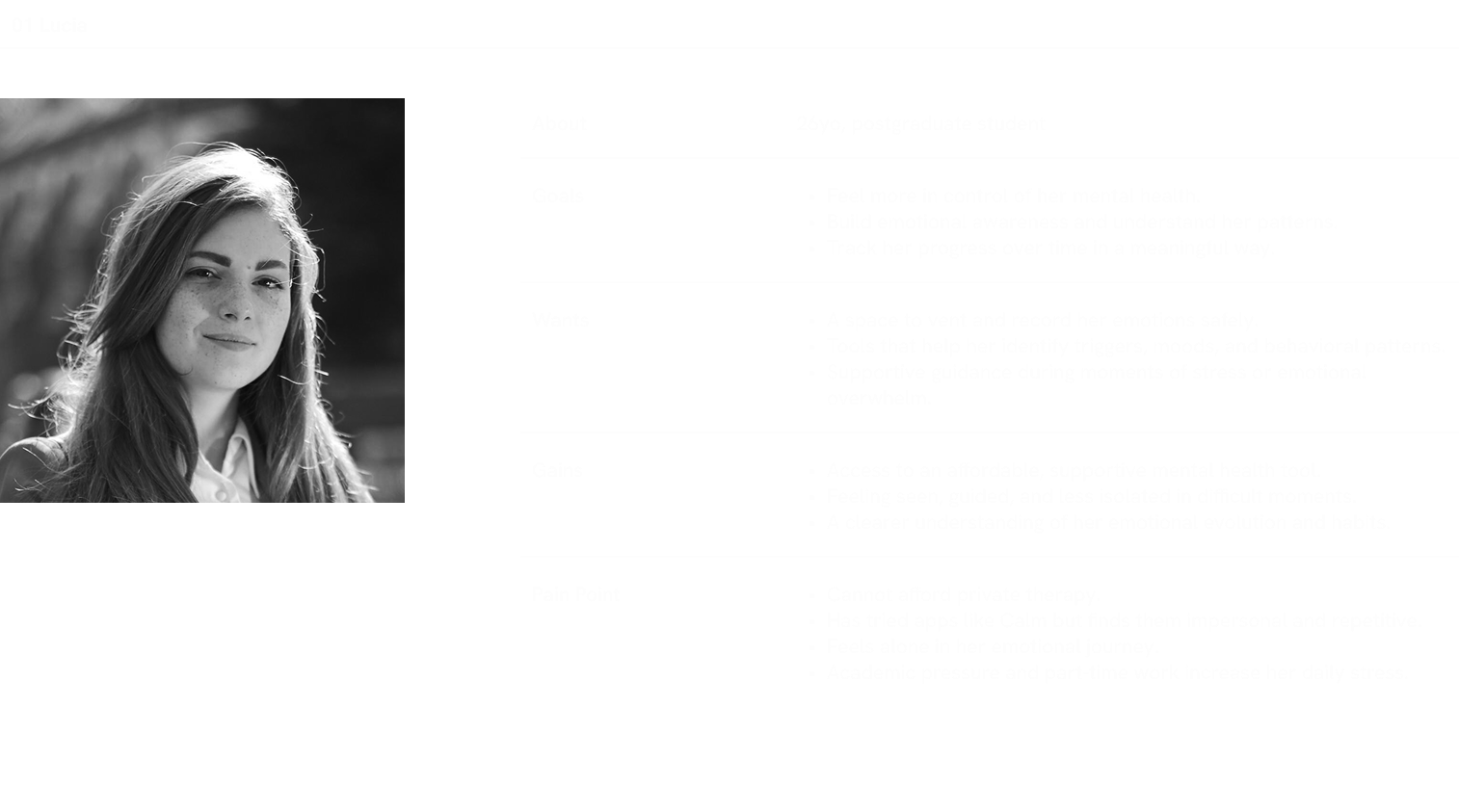
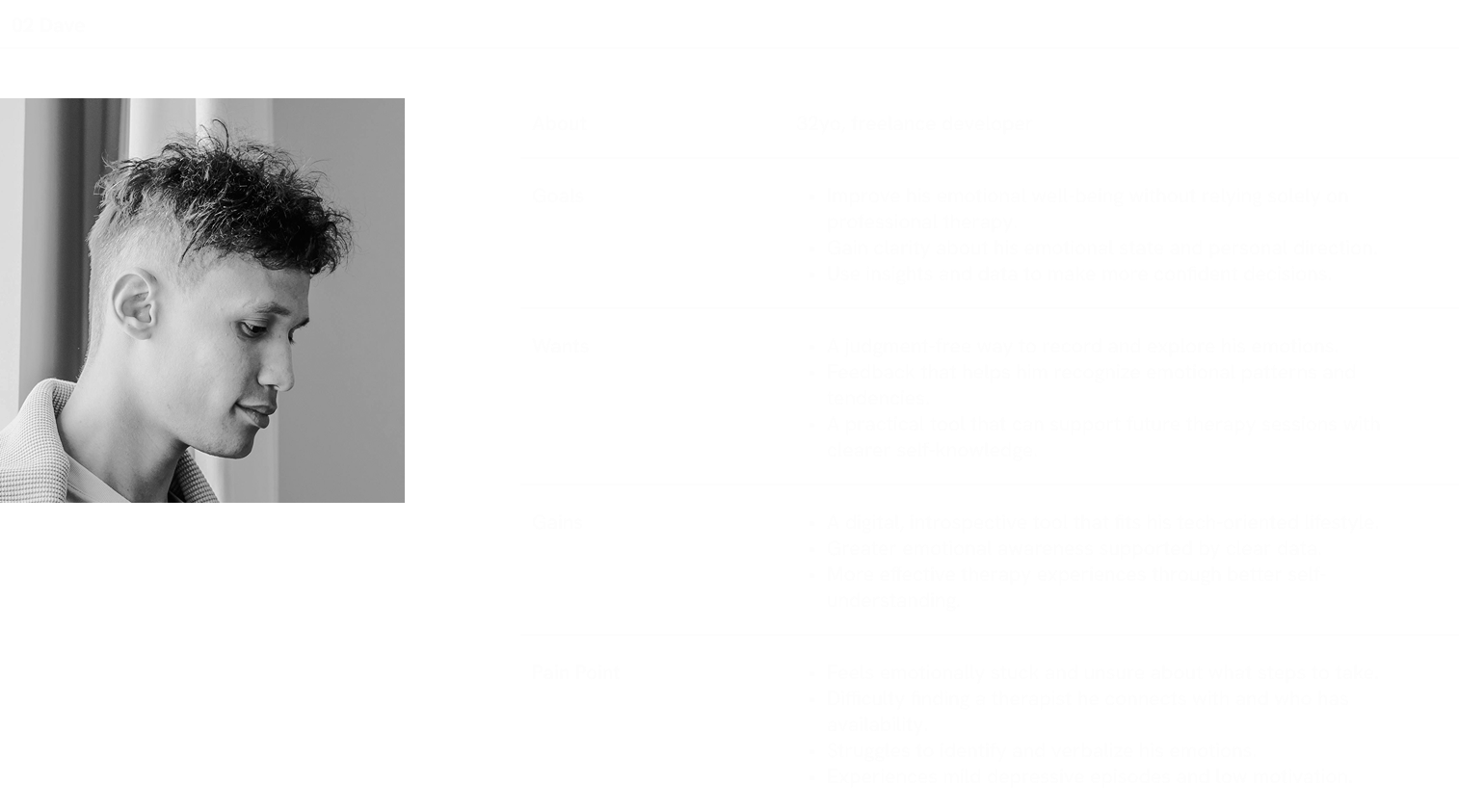
The rise in generative AI usage shows a shifting landscape: nearly one billion people use AI chatbots globally, and a large portion rely on them for emotional support. Many suffer from anxiety, depression, or stress, yet 85% of those experiencing mental health challenges receive no treatment due to cost, time, or provider scarcity. Additionally, families, emergency contacts, and professionals are never informed when something is wrong, turning AI tools into isolated echo chambers. Personas such as Lucía and David highlight the same needs: clarity, continuity, emotional understanding, and support that feels accessible and human.
The research revealed an opportunity to create a platform that uses AI to strengthen real therapy, not replace it. AI could streamline the therapeutic process, help match users with the right specialists, and provide emotional context before sessions; while ensuring real professionals step in during crisis situations. Users needed a solution where they are never alone, always connected, and truly supported both technologically and humanly.
KEy goals
Make emotional reflection intuitive and supportive
Design a guided ecosystem that adapts to each user’s emotional journey and nurtures daily self-awareness.
Strengthen human therapy through AI insight
Use AI to enhance, not substitute, the therapeutic process by giving professionals clearer emotional context and continuity.
Embrace diverse emotional paths through design
Create a visual identity that symbolises the many ways healing unfolds, always moving upward toward emotional stability.
results
Guided emotional ecosystem
Better Way integrates daily check-ins, guided journaling, emotion tracking, and contextual memories captured through Meta glasses. The app visualises emotional progress through insights and graphs, while offering activities such as meditation, breathing exercises, group therapy, and wellness challenges.
A safe AI hybrid therapy model
A clinically trained AI chatbot provides 24/7 support, but automatically hands over to crisis professionals when necessary. Therapists receive emotional summaries and behavioural patterns in advance, making sessions more effective and personalised. Users are also connected to emergency services and trusted contacts when needed.
An empathic visual identity
The brand embraces a flexible logotype representing individual emotional paths, paired with warm gradients symbolising personal growth. Typography (Silka and Nunito Sans) conveys credibility and softness, while imagery uses duotone treatments and supportive visual cues to reinforce the feeling of being accompanied.
Conclusion
Better Way creates a therapeutic environment where users feel genuinely supported, and not alone. Never trapped in an echo chamber. By combining AI's analytical capabilities with the empathy and expertise of human therapists, the platform offers a safer, more accessible way to navigate mental health.
The biggest insight was understanding how AI and human therapists can meaningfully complement each other: AI provides continuity, context, and early detection, while therapists bring empathy, ethics, and emotional safety.
Through iteration, the experience became lighter and more approachable: daily check-ins were streamlined, the registration test was grounded in validated medical scales, and the brand evolved into a warm, positive system that inspires trust and accompanies users on their unique journey.
Better Way makes mental health support feel close, human, and intelligently guided; a better way towards a better you.